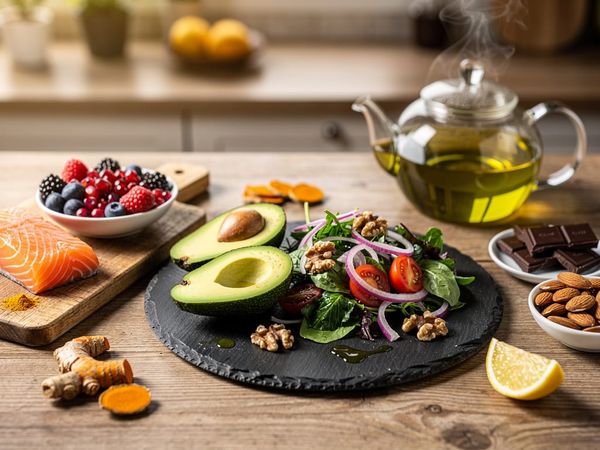
How Meal Timing Shapes Your Biological Age

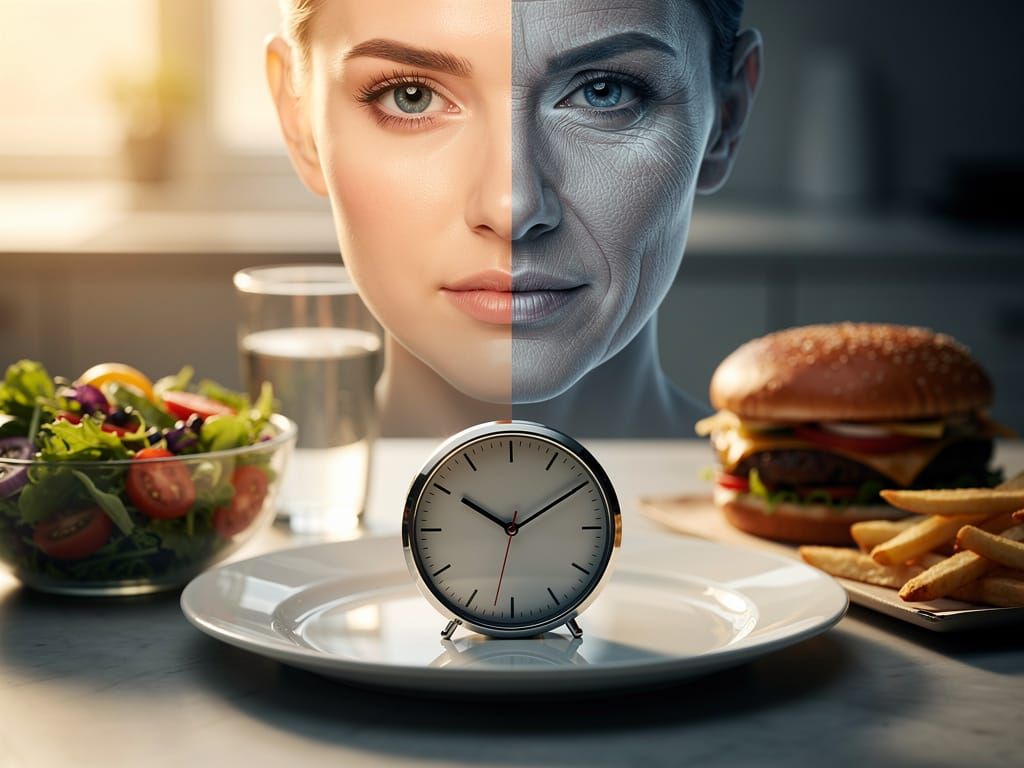
Your Clock Is Ticking - But Not the Way You Think
Your biological age and your chronological age are two very different numbers. One is fixed. The other? You have more control over it than most people realize.
And one of the most underrated levers you can pull is not what you eat - it is when you eat it.
Here's the truth: your body runs on an internal 24-hour clock called the circadian rhythm. Every organ, every cell, every metabolic process is synchronized to this rhythm. When your eating patterns fall out of sync with it, the cellular aging machinery starts running hot.
The Science Behind Chrononutrition

Chrononutrition is the study of how meal timing interacts with your body's internal clock. It is a fast-moving field, and the findings are hard to ignore.
Here is what the research consistently shows:
- Insulin sensitivity peaks in the morning. Your body processes carbohydrates and glucose far more efficiently earlier in the day. Eating the same meal at 8 AM versus 8 PM produces measurably different metabolic responses.
- Late-night eating accelerates oxidative stress. Oxidative stress is one of the primary drivers of cellular aging. Eating close to bedtime forces your digestive system to work while your body is trying to repair itself.
- Irregular meal timing disrupts autophagy. Autophagy is your body's cellular cleanup process - it removes damaged proteins and dysfunctional components. This process is heavily time-dependent and gets suppressed when food signals arrive at unpredictable hours.
- Eating windows influence telomere health. Telomeres are the protective caps on your DNA. Shorter telomeres are a well-established marker of accelerated biological aging. Emerging research links consistent, time-restricted eating patterns to better telomere maintenance.
What Time-Restricted Eating Actually Does to Your Cells
Time-restricted eating - often called TRE - means compressing your daily food intake into a consistent window, typically 8 to 10 hours. This is not about starving yourself. It is about alignment.
When you stop eating for an extended period, several powerful things happen at the cellular level:
- Metabolic switching kicks in - your body shifts from burning glucose to burning fat-derived ketones, which are associated with reduced inflammation markers.
- mTOR activity decreases - mTOR is a cellular growth pathway. When chronically overactivated by constant eating, it is linked to faster biological aging. Fasting periods naturally dial it back.
- AMPK gets activated - this enzyme is essentially a cellular energy sensor that promotes repair, mitochondrial health, and longevity-associated gene expression.
- Inflammation biomarkers drop - chronic low-grade inflammation, sometimes called inflammaging, is one of the core mechanisms behind accelerated biological aging. Consistent eating windows help keep it in check.
Practical Timing Habits That Actually Move the Needle
Let's get specific. The goal is not perfection - it is consistency over time. Small, repeatable shifts in your meal timing can compound into meaningful biological changes over months and years.
- Front-load your calories. Make breakfast and lunch your largest meals. Keep dinner lighter and earlier. This aligns your food intake with your body's peak metabolic capacity.
- Set a consistent eating window. Aim for a 8 to 10 hour window each day. If you eat your first meal at 7 AM, try to finish your last bite by 5 to 7 PM.
- Stop eating at least 2 to 3 hours before bed. This gives your body time to lower insulin levels and begin overnight repair processes before sleep kicks in.
- Keep your meal schedule consistent across the week. Wildly different timing on weekends - sometimes called social jet lag - disrupts your circadian rhythm just as effectively as shift work does.
- Hydrate strategically in fasting windows. Water, black coffee, and plain herbal teas do not break a fasting state and help support metabolic function between meals.
- Avoid grazing. Constant snacking keeps insulin elevated throughout the day and suppresses the repair windows your body needs. Three structured meals with no snacking is often more effective than six small meals for metabolic health.
The Bottom Line on Timing and Aging
Your biological age is not just a product of your genetics or your gym routine. It is shaped, day by day, by the signals you send your cells - and meal timing is one of the loudest signals of all.
You do not need to overhaul your entire diet overnight. Start with one shift: move your last meal earlier by 30 minutes each week until you have carved out a consistent overnight fasting window. That single habit, repeated over time, starts to change the conversation your body is having with its own aging clock.
As always, if you have any underlying health conditions or are considering significant changes to your eating patterns, speak with a qualified healthcare professional before making adjustments.