The Beauty Sleep Blueprint: What to Do 2 Hours Before Bed

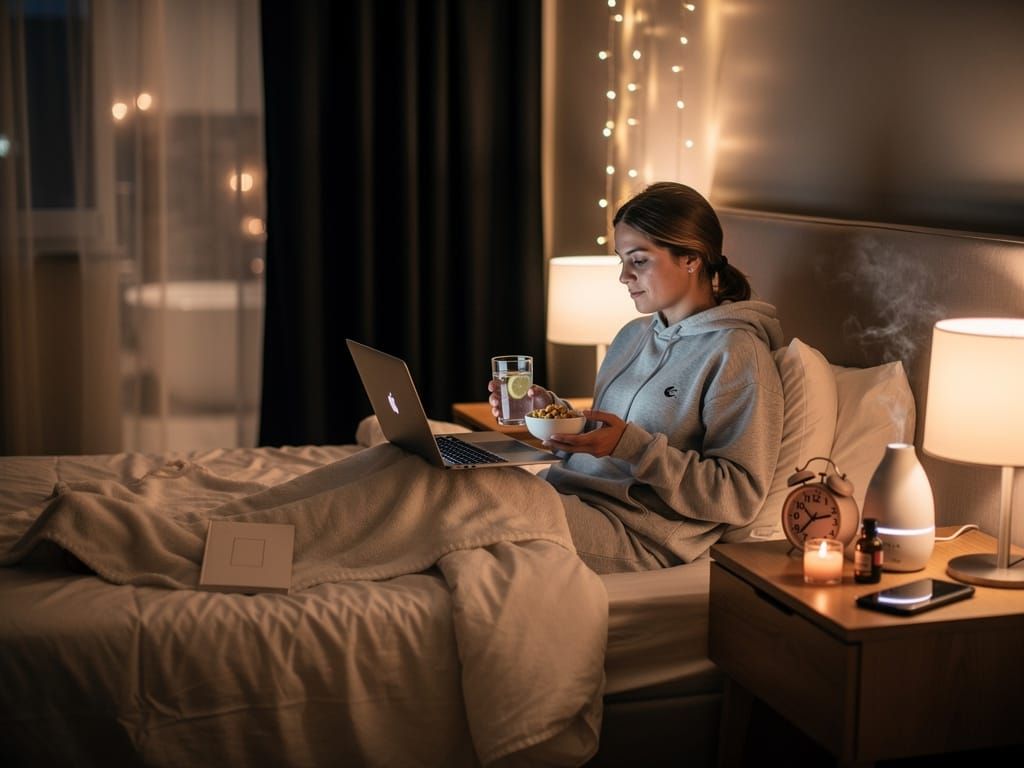
We often think of sleep as a simple on-off switch, but the reality is far more nuanced. The quality of your rest is profoundly influenced by the actions you take in the hours leading up to it. The 120 minutes before your head hits the pillow represent a critical transition period for your body and mind. This window is your opportunity to signal to your internal systems that it's time to shift from a state of active stress to one of rest and repair. Getting this right doesn't just mean you'll fall asleep faster; it means you'll unlock deeper, more restorative sleep cycles where the real magic of rejuvenation happens.
During deep sleep, your body gets to work on cellular repair, memory consolidation, and the regulation of key hormones like human growth hormone and cortisol. When you spend the last two hours of your day staring at bright screens, engaging in stressful conversations, or consuming stimulating foods, you actively disrupt this natural process. Your brain remains wired, your cortisol levels stay elevated, and your body misses the essential cues to begin its nightly maintenance. This sabotage can lead to morning grogginess, accelerated skin aging, and a weakened immune system over time.
The goal is to create a 'buffer zone' between the demands of your day and the requirements of restorative sleep. This isn't about adding complex tasks to your to-do list; it's about subtraction and intention. By consciously curating a calming environment and a gentle routine, you are effectively setting the stage for optimal biological function. Think of it as preparing your body for its most important job of the day: healing itself. This blueprint provides a structured, science-backed approach to maximizing that precious pre-sleep window for better health and vitality.
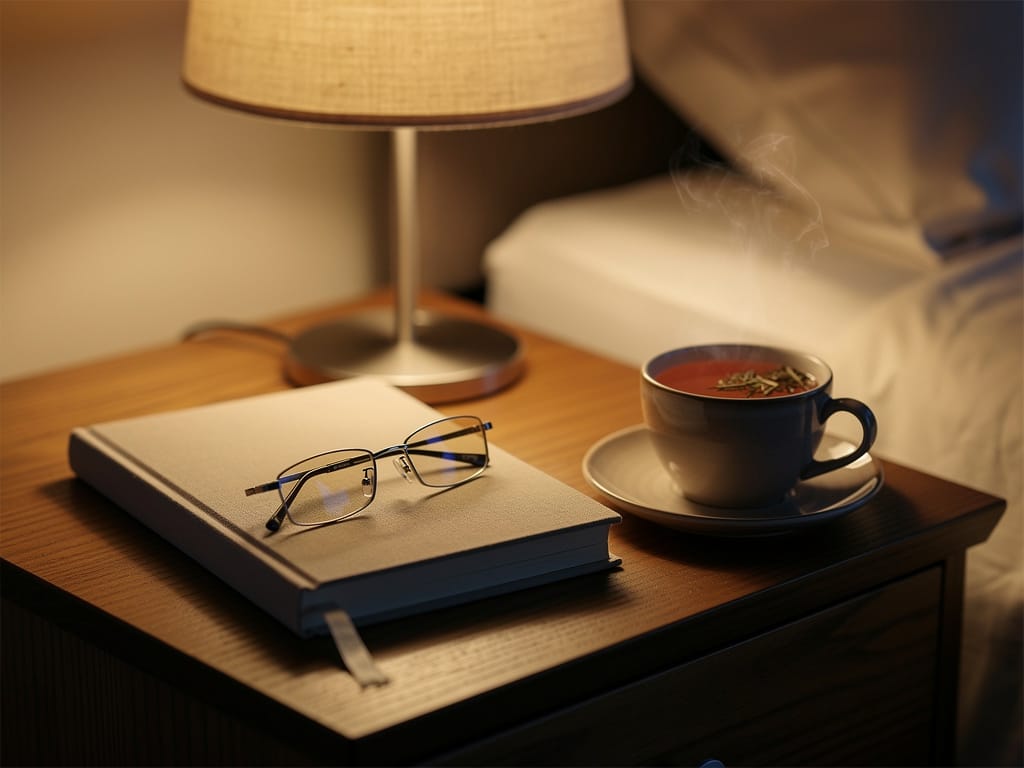
- Dim the Lights: Lowering ambient light helps stimulate melatonin production, the key hormone for sleep.
- Disconnect from Screens: Blue light from phones and TVs tricks your brain into thinking it's still daytime.
- Lower Your Body Temperature: A warm shower or bath followed by a cool room can trigger a sleep-inducing temperature drop.
- Engage in a Calming Activity: Reading a physical book, gentle stretching, or journaling can quiet a busy mind.
- Avoid Stimulants: Steer clear of caffeine, sugar, and intense exercise in this final two-hour window.
Frequently Asked Questions
Why is the two-hour window before bed so important?
This period is when your body's circadian rhythm is most sensitive to external cues. The primary signal for sleep is the absence of light, which prompts your pineal gland to produce melatonin. Exposing yourself to bright, artificial light during these two hours directly suppresses melatonin, delaying the onset of sleep and reducing its quality. It's also a time for your nervous system to downshift from the 'fight-or-flight' sympathetic state to the 'rest-and-digest' parasympathetic state. Without this transition, you may lie in bed feeling physically tired but mentally alert and unable to drift off.
Can I still use my phone or watch TV during this time?
Ideally, you should avoid all screens. The blue light emitted from phones, tablets, and televisions is particularly disruptive to your sleep-wake cycle. It has a high-energy wavelength that signals to your brain that it's morning, effectively halting melatonin production. If you absolutely must use a screen, enable a 'night mode' or 'blue light filter' on your device, which shifts the screen's color to a warmer, less-stimulating amber tone. Even with these filters, the content you consume matters; watching a stressful action movie or scrolling through work emails will keep your mind engaged and prevent you from properly winding down.
What about late-night snacks? Are they all bad?
Large, heavy meals close to bedtime are generally a bad idea, as they can cause indigestion and interfere with sleep while your body works to digest. The same goes for sugary snacks, which can spike and then crash your blood sugar, potentially waking you up in the middle of the night. However, a small, strategic snack can sometimes be beneficial. Foods that contain tryptophan, an amino acid that serves as a precursor to melatonin, can be helpful. Think of a small handful of almonds, a few walnuts, or a small cup of chamomile tea. The key is to keep it light and avoid anything that will put your digestive system into overdrive.
Does this routine really make a difference in how I look and feel?
Yes, the consistency of a pre-sleep routine has a significant impact. Quality sleep is when your skin's repair mechanisms are most active, producing new collagen and repairing damage from UV exposure. Poor sleep is linked to higher levels of cortisol, the stress hormone, which breaks down collagen and can lead to premature wrinkles and dull skin. When you consistently get restorative sleep, you'll notice improvements not just in your skin's appearance but also in your energy levels, cognitive function, and mood. It's one of the most powerful and natural tools for promoting long-term health and a vibrant appearance.
Disclaimer: The information in this article is for educational purposes only and is not intended as a substitute for professional medical advice, diagnosis, or treatment. Always seek the advice of your physician or another qualified health provider with any questions you may have regarding a medical condition.