The Power of Micro-Movements


The gym is not the only answer. Your biggest health enemy isn't a missed workout. It's stillness. Long hours spent sitting-at a desk, in a car, on the couch-chip away at your metabolic health. The solution is simpler than you think:
These are the small, almost unconscious physical activities you do all day. They accumulate. They matter. This is your guide to weaponizing them against a sedentary lifestyle.
What Are Micro-Movements?
Forget structured exercise for a moment. Micro-movements are everything else. They are brief, low-intensity actions that break up periods of inactivity. Think of them as physical punctuation in your day.
Examples include:
- Standing up from your chair.
- Stretching your arms overhead.
- Pacing while on a phone call.
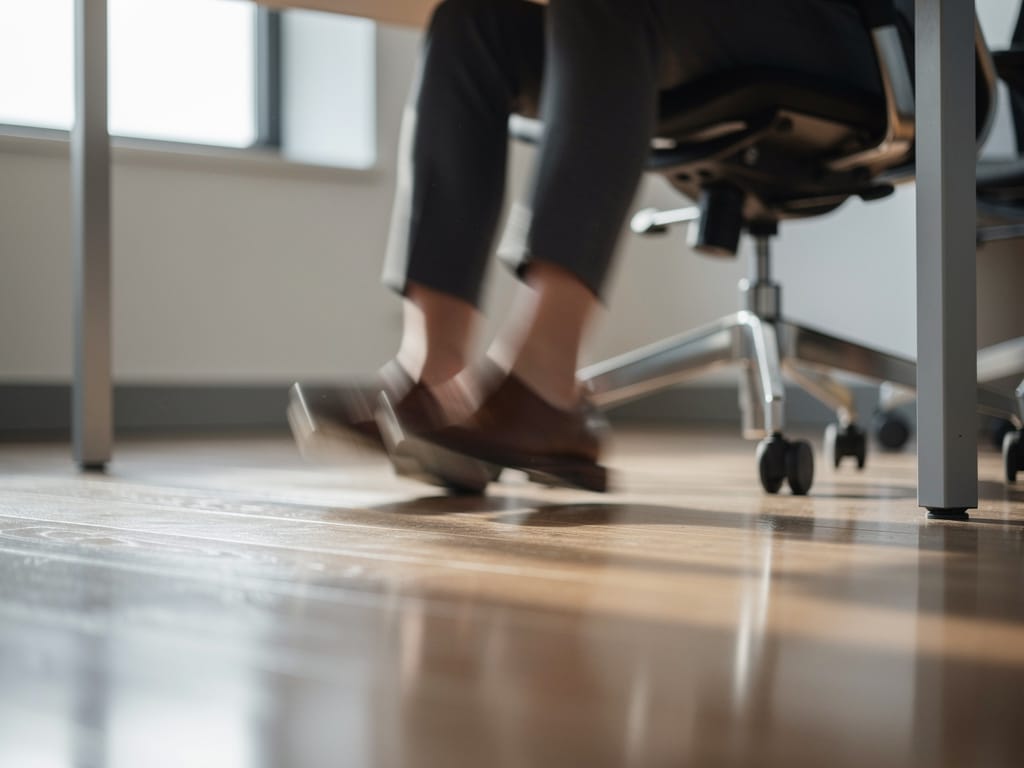
- Tapping your feet.
- Doing a calf raise while waiting for the elevator.
- Taking the stairs instead of the escalator.
The goal is not to get sweaty. The goal is to interrupt sitting. Each interruption sends a signal to your body to keep metabolic processes online.
The Science: NEAT Explained
This all ties into a concept called NEAT, or Non-Exercise Activity Thermogenesis. NEAT is the energy expended for everything we do that is not sleeping, eating, or sports-like exercise. It's a critical component of your total daily energy expenditure.
Two people can have the same diet and workout routine, but vastly different body compositions based on their NEAT levels. One person might fidget, pace, and stand often. The other might remain perfectly still for hours. That difference is hundreds of calories per day. It adds up.
Actionable Strategies: Integrate Movement Now
Stop overthinking it. Start doing. Weave these actions into your existing routines. No extra time required.
At Your Desk
- The 30-Minute Rule: Never sit for more than 30 minutes straight. Use a timer. When it goes off, stand up for one minute.
- Call Pacing: If you're on a call that doesn't require screen-sharing, get up and walk.
- Desk Fidgets: Tap your feet. Do seated leg raises. Squeeze a stress ball. Keep the body in a low-level state of motion.
Around the House
- Waiting Game: Waiting for water to boil? Do 10 squats. Microwave running? Do counter push-ups.
- Commercial Breaks: During a TV show, use every commercial break to stand, stretch, or walk around the room.
- Chore Power: Attack household chores with more energy. Put things away one at a time to increase your steps.
The Long-Term Payoff
This isn't about a quick fix. It's a fundamental shift in how you interact with your environment. The benefits are profound and accumulate over time.
- Metabolic Health: Consistent movement helps regulate blood sugar and improve insulin sensitivity.
- Joint Mobility: Breaking up stillness prevents your joints from stiffening.
- Energy and Focus: Small bursts of activity boost blood flow to the brain, fighting off afternoon slumps.
- Sustainable Health: This is a habit that sticks. It doesn't require motivation, just integration.
Your body was designed for motion. Honor that design. The smallest movements, done consistently, create the biggest impact. Start now.
Disclaimer: This article is for informational purposes only. It is not intended to be a substitute for professional medical advice, diagnosis, or treatment. Always seek the advice of your physician or other qualified health provider with any questions you may have regarding a medical condition.