The Social Habit That Literally Lengthens Your Telomeres


Your Cells Are Listening to Your Social Life
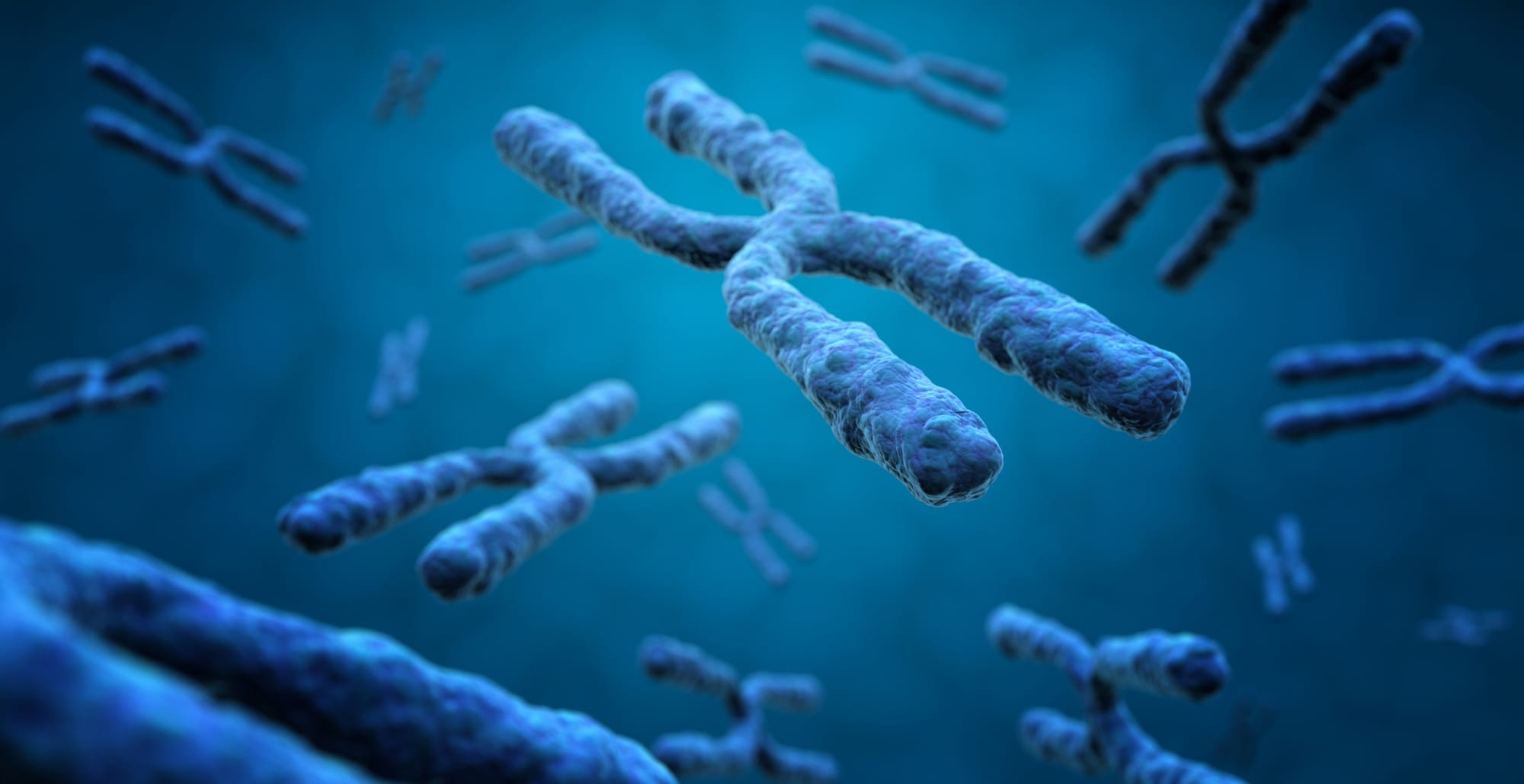
Deep inside every cell in your body, your chromosomes are capped by tiny protective structures called telomeres. Think of them like the plastic tips on shoelaces - they keep everything from fraying. Every time a cell divides, those caps get a little shorter, and shorter telomeres are one of the clearest biological markers of accelerated aging.
Here's what most people don't know: your daily habits directly influence how fast that shortening happens. And one habit - something you might do without even thinking about it - has been linked in peer-reviewed research to measurably longer, more resilient telomeres. That habit is genuine, consistent social connection.
What the Science Actually Says
A landmark study published in PLOS ONE found that people with strong social ties showed significantly longer telomere length compared to those who reported chronic loneliness. Researchers at Brigham Young University, after analyzing data from over 300,000 participants, concluded that social isolation carries a mortality risk comparable to smoking 15 cigarettes a day. That's not a metaphor - that's cellular biology.
The mechanism runs through chronic stress and cortisol. Loneliness keeps the body in a low-grade threat state, flooding cells with stress hormones that accelerate telomere erosion. Meaningful social bonds, on the other hand, dampen that cortisol response and activate the body's repair systems - including the enzyme telomerase, which actually rebuilds telomere length.
Painting Image...
SEO ALT: Two people connecting on a park bench from aerial view
Not All Socializing Is Created Equal

Before you start counting every text message as a longevity strategy, there's an important distinction to make. Passive social media scrolling - watching other people's lives from a distance - does not produce the same biological effect as face-to-face or voice-to-voice interaction. In fact, several studies suggest passive social media use increases feelings of isolation rather than relieving them.
What actually moves the needle on telomere health includes:
- Regular in-person meetups with people who genuinely know you
- Phone or video calls with close friends or family - not just texts
- Community participation like group fitness, volunteering, or shared hobby clubs
- Deep, reciprocal conversations where you both listen and feel heard
The quality of connection matters far more than the quantity. One deeply supportive friendship does more for your cellular health than a hundred shallow acquaintances.
Building the Habit Without Overhauling Your Life
The good news is you don't need a radical social transformation to start protecting your telomeres. Small, consistent actions compound over time - just like interest in a savings account. Scheduling one meaningful conversation per week is a legitimate starting point, and research supports the idea that even brief but intentional social contact can shift your stress biomarkers within days.
Start by identifying one or two people in your life you've been meaning to reconnect with. Block 30 minutes on your calendar - not to scroll, not to multitask, but to actually show up. Your cells will register the difference, and over months and years, that simple social discipline becomes one of the most powerful anti-aging tools available to you - no supplement required, no prescription needed, just the ancient human act of truly being with another person.