Why Grip Strength Is Your Best Longevity Predictor


The Jar Lid That Tells a Story
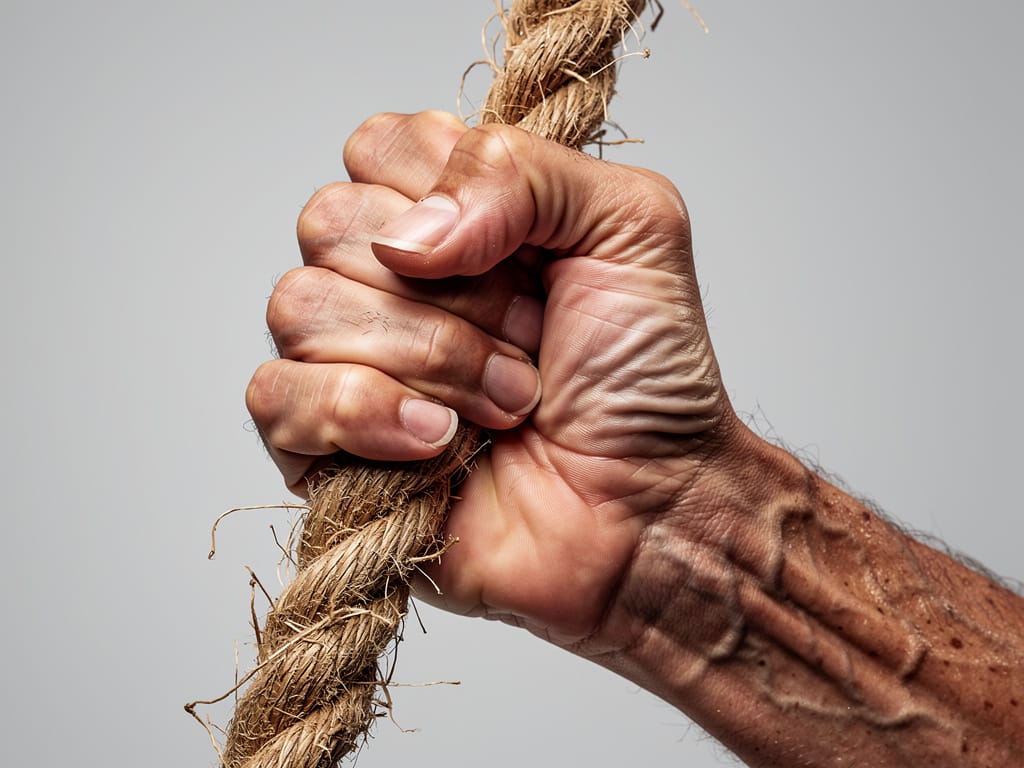
The glass jar sits on the counter. Cold. Stubborn.
You twist. Your knuckles turn white. Muscles in your forearm scream.
Nothing.
You try again, wrapping a dish towel around the lid for leverage. A final, desperate grunt. Then, the satisfying *pop* of a broken seal.
This tiny, everyday battle says more about your future than you think.
That momentary strain, that test of power, is a direct window into your healthspan.
A Handshake with Your Future
Forget complex lab tests for a moment. Researchers have found a simpler predictor of long-term health.
It’s the strength of your hand.
Numerous studies confirm it. A weak grip is powerfully linked to a higher risk of heart attack, stroke, and all-cause mortality. It’s a starkly accurate biomarker for aging.
More Than Just Hand Power
Why does this one metric hold so much weight? Because it’s not just about your hands.
Your grip strength is a proxy for your total-body strength and muscle mass.
Strong hands almost always mean a strong body. A body that has retained its muscle, the engine of your metabolism and the armor protecting your bones.
When grip strength declines, it’s often the first warning sign of sarcopenia-the age-related loss of muscle tissue that accelerates frailty and disease.
The Signal Your Body Is Sending
Think of it as an early warning system. Your body is one integrated system. Weakness in one area signals a potential problem in the whole network.
A firm handshake or the ability to carry all your groceries in one trip isn't about pride. It’s a functional sign that your neuromuscular system is firing correctly. It shows your body has the resources to build and maintain lean tissue.
This is the foundation of aging well. It’s about capability, resilience, and independence.
Build a Grip That Lasts
The good news? You can actively improve it. This isn’t a fixed number you’re stuck with.
Building a stronger grip is straightforward. It requires consistency, not complexity.
- Carry Heavy Things. The farmer's walk is king. Grab a pair of heavy dumbbells or kettlebells and walk. Your grip will be forced to adapt and strengthen.
- Hang On. Find a pull-up bar and just hang from it for as long as you can. This is called a dead hang. Aim to increase your time each week.
- Squeeze with Intention. During any lift-from bicep curls to deadlifts-focus on crushing the bar. This conscious effort recruits more muscle fibers in your hands and forearms.
- Use Thicker Bars. If your gym has them, use barbells or dumbbells with thicker grips. This makes your hands work significantly harder to secure the weight.
It's a Full-Body Project
You cannot build a powerful grip in isolation.
It is the result of a total-body approach to strength. Compound movements like squats, deadlifts, and overhead presses build the systemic strength that supports a mighty grip.
Fuel this work with adequate protein. Muscle needs building blocks, and protein provides them.
Your grip strength isn't just a number. It's a reflection of your vitality. It's a daily measure of your power.
Start today. That stubborn jar lid doesn't stand a chance.
Disclaimer: The information in this article is for informational purposes only and is not intended as medical advice. Please consult a qualified healthcare professional for any health concerns or before making any changes to your diet, exercise, or lifestyle.